How Perfectionism Keep Us Stuck
The Hidden Costs of Perfectionism in Midlife
I often describe myself as a recovering perfectionist.
Lately, I’m realizing I’m still very much in recovery.
I’m currently in a coaching workshop, and one uncomfortable insight has been this:
My perfectionism doesn’t just push me to do things well.
It also quietly convinces me not to try at all.
If I might not be good at it…
If I don’t know enough yet…
If it feels hard or uncertain…
Perfectionism whispers, “Better not.”
Not because it wants us to fail.
But because it wants to protect us from the discomfort of being imperfect.
And that protection can come at a cost.
The Difference Between High Standards and Perfectionism
Perfectionism often masquerades as high standards. And high standards, in themselves, can be healthy and motivating.
But perfectionism is different.
It ties our worth to the outcome.
When perfectionism is driving, every attempt becomes a referendum on who we are. Mistakes feel heavier. Effort feels riskier. And the safest option becomes not trying at all.
Over time, this can lead to:
Avoidance of new challenges because we don’t want to feel incompetent
Procrastination because starting feels emotionally loaded
Overworking and exhaustion because “good enough” never feels like enough
Difficulty finishing projects because there is always one more improvement to make
Less creativity, because creativity requires experimentation and experimentation requires imperfection
Perfectionism promises excellence.
But often, it delivers stagnation.
How Perfectionism Affects Confidence, Creativity, and Relationships
One of the more subtle costs of perfectionism is the way it shapes our inner voice.
Perfectionists often become highly skilled at self-criticism. We notice every flaw. Every gap. Every shortcoming.
Instead of asking, What did I learn?
We ask, Why wasn’t I better?
This can erode confidence over time, even in highly capable people.
And perfectionism doesn’t always stay contained internally. It can also spill into our expectations of others. We may become less patient. Less tolerant of mistakes. Less able to allow others the same messy learning process we struggle to allow ourselves.
Not because we lack compassion.
But because we have learned to equate mistakes with inadequacy.
Learning to Be a Beginner Again
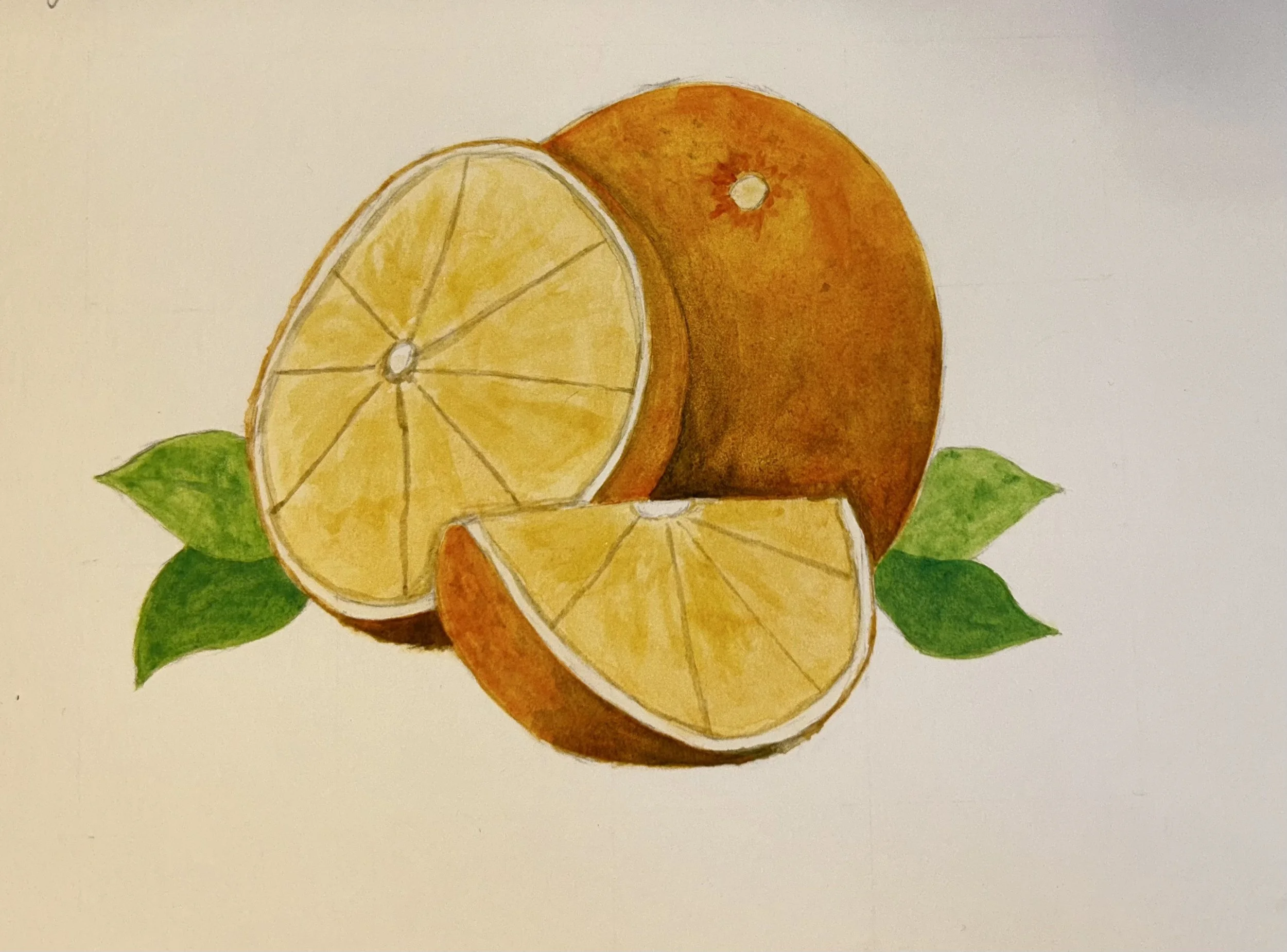
For me, one place this is showing up clearly is watercolor.
I had been craving a creative outlet. Something playful. Something different from the structured, outcome-oriented work I’ve spent much of my career doing.
And yet, it has been surprisingly challenging to be a beginner again.
To make something that doesn’t look the way I imagined.
To not immediately feel competent.
To see the gap between my taste and my current ability.
Everything in me wants to close that gap quickly.
But that’s not how learning works.
This painting (flaws and all) is part of my practice of sharing before I feel “ready.” Before it’s polished. Before it’s perfect.
Because I’m realizing something important:
Growth doesn’t come from protecting our image.
It comes from tolerating imperfection long enough to improve.
Perfectionism Keeps Us Small
Perfectionism often develops for understandable reasons. Many of us were rewarded for achievement. For being responsible. For getting things right.
Perfectionism helped us succeed.
But what helps us succeed at one stage of life can quietly limit us at another.
Because growth requires us to become beginners again and again.
To try things before we know we’ll be good at them.
To share ideas before they are fully formed.
To take steps without guarantees.
Perfectionism resists this.
But expansion requires it.
What Recovery from Perfectionism Looks Like
For me, recovery from perfectionism doesn’t mean lowering my standards.
It means loosening perfectionism’s grip on my decisions.
It means choosing action over avoidance.
Sharing before I feel fully ready.
Allowing myself to learn in public, not just in private.
It means replacing the question:
Will this be perfect?
With:
Will this help me grow?
I’m still working through this.
But I’m learning that strength isn’t about getting everything right.
Sometimes it’s about being willing to be seen while you’re still figuring it out.
A Reflection for Recovering Perfectionists
Where might perfectionism be keeping you from starting?
What might become possible if you allowed yourself to be a beginner again?
Not perfect.
Just in progress.
If perfectionism has you feeling stuck, you're not alone. One of the most rewarding parts of coaching is helping women move from overthinking to action, even when things feel uncertain. If you'd like support navigating a career transition, building confidence, or creating a life that feels more aligned, I'd love to connect. Schedule a complimentary discovery call to learn more.
