Slower is Better
Sometimes Slower Is Better
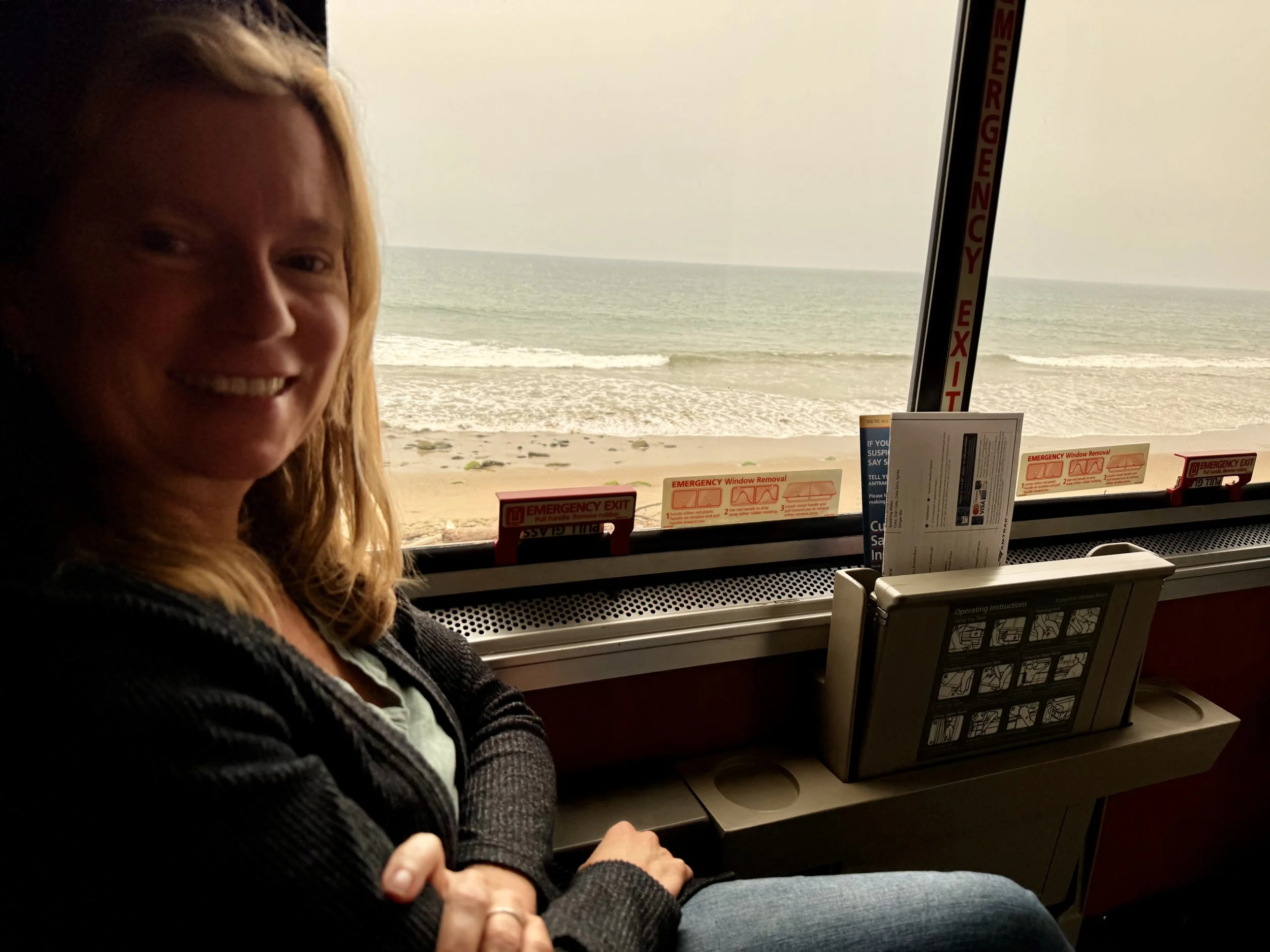
Last week, my husband and I returned home from Los Angeles by train instead of flying. On paper, it wasn't the most efficient choice. The trip took longer, and in a world that often prioritizes speed above all else, choosing the slower option can feel almost wasteful.
Before we left, we packed books, podcasts, movies, and plenty of other ways to stay entertained. As it turned out, we didn't use any of them. Instead, we spent the day watching the California coastline roll by, enjoying meals in the dining car, talking, and taking naps. There was no rushing through security, no waiting at the gate, and no pressure to maximize every moment.
By the time we arrived home, I realized something surprising: I felt genuinely rested.
That feeling has become increasingly rare. So many of us move through our days at a relentless pace, constantly switching between meetings, emails, family responsibilities, errands, and an endless stream of information. Even our downtime often becomes another opportunity to consume content, catch up on work, or check items off a list.
The train ride reminded me that slowing down isn't necessarily unproductive. In fact, sometimes slowing down allows us to reconnect with the things that matter most. It creates space for conversation, reflection, creativity, and presence. It gives our nervous systems a chance to settle and our minds an opportunity to wander.
I've found myself wondering where else in my life I could slow down just a little. Not dramatically. Not permanently. Just enough to notice what I've been missing while moving so quickly.
Why Slowing Down Matters for Women Leaders in Healthcare and Biotech
This question comes up frequently in my coaching conversations with women leaders in healthcare and biotech.
Many of the women I work with are highly accomplished professionals. They care deeply about their work, lead teams, manage complex projects, and are often balancing significant responsibilities both inside and outside the office. They are ambitious, capable, and committed to making a difference.
They're also exhausted.
Many of the women I speak with don't necessarily want less responsibility or less impact. In fact, most love their work and care deeply about the people they serve. What they're looking for is a way to continue growing and contributing without feeling like they're sprinting through every day. They want success that feels sustainable.
The culture of healthcare, academia, and pharma often rewards constant productivity. There is always another project to finish, another problem to solve, another opportunity to pursue. Over time, it becomes easy to believe that slowing down means falling behind.
But what I've observed is often the opposite.
When women create even small pockets of space in their lives, they tend to make better decisions, think more strategically, communicate more effectively, and experience greater satisfaction both professionally and personally. Slowing down doesn't mean lowering your ambitions. In many cases, it gives you the clarity, energy, and perspective needed to pursue them more effectively.
Whether that means taking a walk without your phone, blocking time for reflection, protecting your vacation days, or simply choosing the train instead of the plane once in a while, small moments of slowing down can have an outsized impact.
The question I keep coming back to is this:
Where could you slow down just a little and enjoy the scenery more?
If you're navigating a career transition, preparing for a promotion, or looking for better work-life balance, I'd love to connect. My coaching practice focuses on helping women leaders in healthcare and biotech build successful careers while creating lives that feel fulfilling and sustainable.
If this topic resonates with you, you may also enjoy my previous blog post, The Power of Rest, where I explore why rest is not a reward for productivity. It's one of the things that makes productivity possible.
